
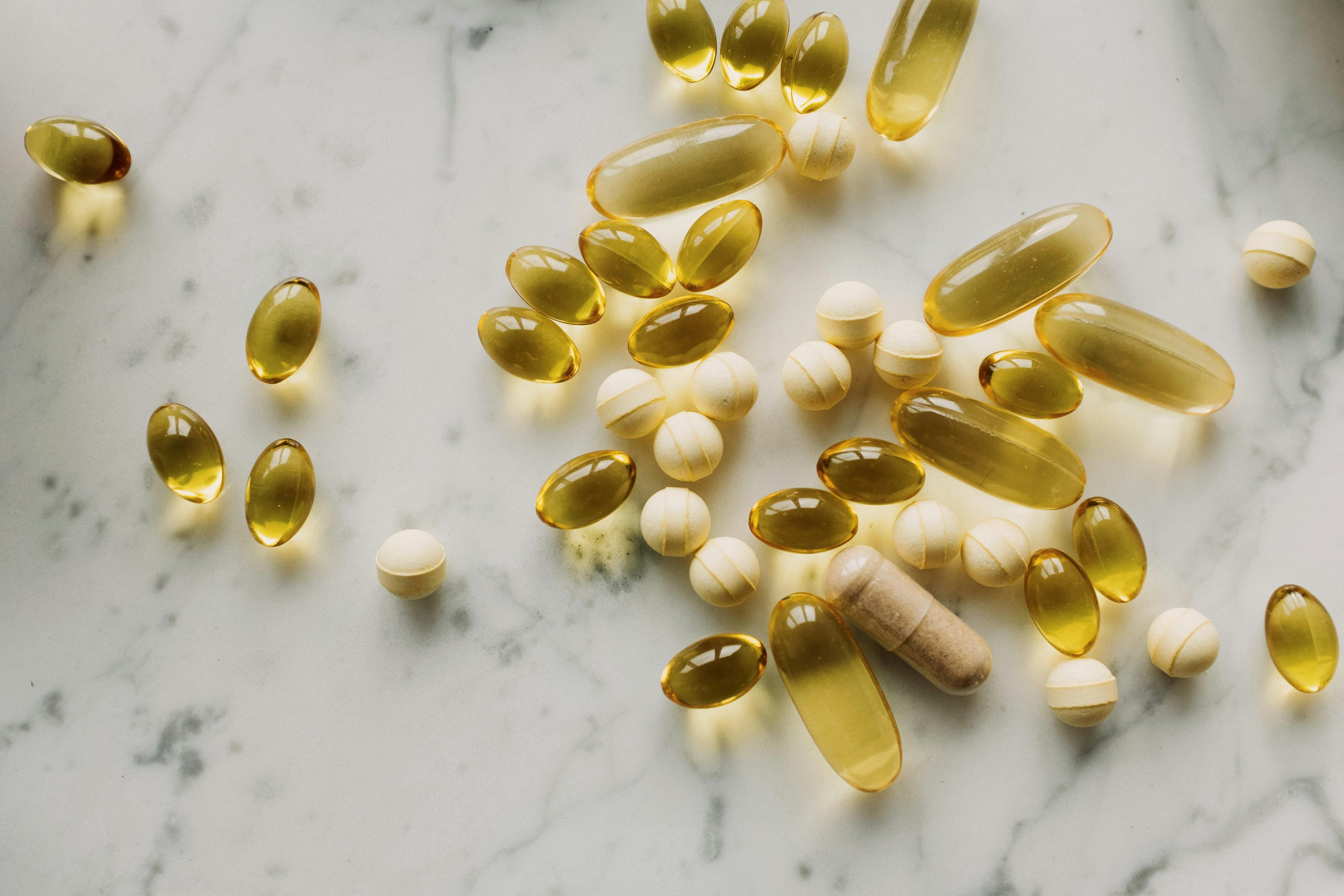
Supplements occupy an unusual regulatory position. They make claims resembling those of medicines while sitting under legal frameworks written for food, and that placement explains most of the sector's characteristics.
Two very different approval routes
A medicine must demonstrate safety and efficacy for a stated condition before it may be sold, through a staged trial programme reviewed by a regulator.
Food ingredients face no equivalent requirement. Provided a substance is regarded as safe for consumption, it may be sold without any demonstration that it does what a label implies.
Supplements were placed in the second category, which means the burden of proof generally falls on the regulator after a product is on sale rather than on the manufacturer beforehand.
Claims are constrained by wording
Because they are not medicines, supplements may not claim to treat, prevent or cure a disease. That restriction is enforced, and it has shaped an entire vocabulary.
Permitted phrasing describes support for a normal bodily function or contribution to maintenance of a structure, which sounds substantive while asserting far less.
The difference between claiming to lower blood pressure and claiming to support cardiovascular health is legal rather than descriptive, and it is invisible to most readers.
Content is not verified before sale
Without pre-market testing, what a capsule contains depends on the manufacturer's own quality processes, and independent analyses regularly find contents that differ from labels.
Discrepancies run in both directions, with some products containing less active ingredient than stated and others containing more, or containing substances not listed at all.
Botanical products are particularly variable, since plant material differs by growing conditions, harvest timing and which part of the plant was used.
Where the enforcement actually happens
Regulators intervene after harm appears, typically through adverse event reporting, and the strongest actions concern products adulterated with undeclared pharmaceutical compounds.
This is most common in categories where a rapid effect is expected, particularly those aimed at weight, sports performance and sexual function.
Because the response follows harm, the interval between a problem arising and a product being withdrawn can be considerable.
Voluntary certification fills part of the gap
Independent testing organisations verify that a product contains what its label states and is free of specified contaminants, and permit a mark on packaging.
These schemes address identity and purity rather than whether the ingredient works, so certification confirms the contents rather than the claim.
Anyone taking prescribed medication should raise supplement use with a pharmacist or doctor, because interactions are real and are not flagged anywhere on the packaging.