
Body mass index is calculated from weight and height alone. It remains in use because it is cheap and comparable, not because it measures what its popular reputation suggests.
It was built for populations
The ratio was devised in the nineteenth century as a statistical tool for describing the distribution of body size across a population, not for assessing individuals.
Its purpose was to allow comparison between groups, which is a task that tolerates considerable error in any single measurement because errors average out.
The shift to individual clinical use came later and imported a precision the original construction never had.
The formula ignores what tissue is present
Weight includes muscle, bone, organs, fat and water, and the index cannot distinguish between them, so two people with identical values can differ substantially in composition.
A muscular individual is classified in a higher category despite low fat mass, while someone with low muscle and higher fat may fall in a category described as healthy.
The second case is the more consequential misclassification, since it can mean risk is missed rather than merely overstated.
Distribution matters and is invisible
Fat stored around the abdominal organs behaves differently from fat under the skin, releasing different signalling molecules into circulation.
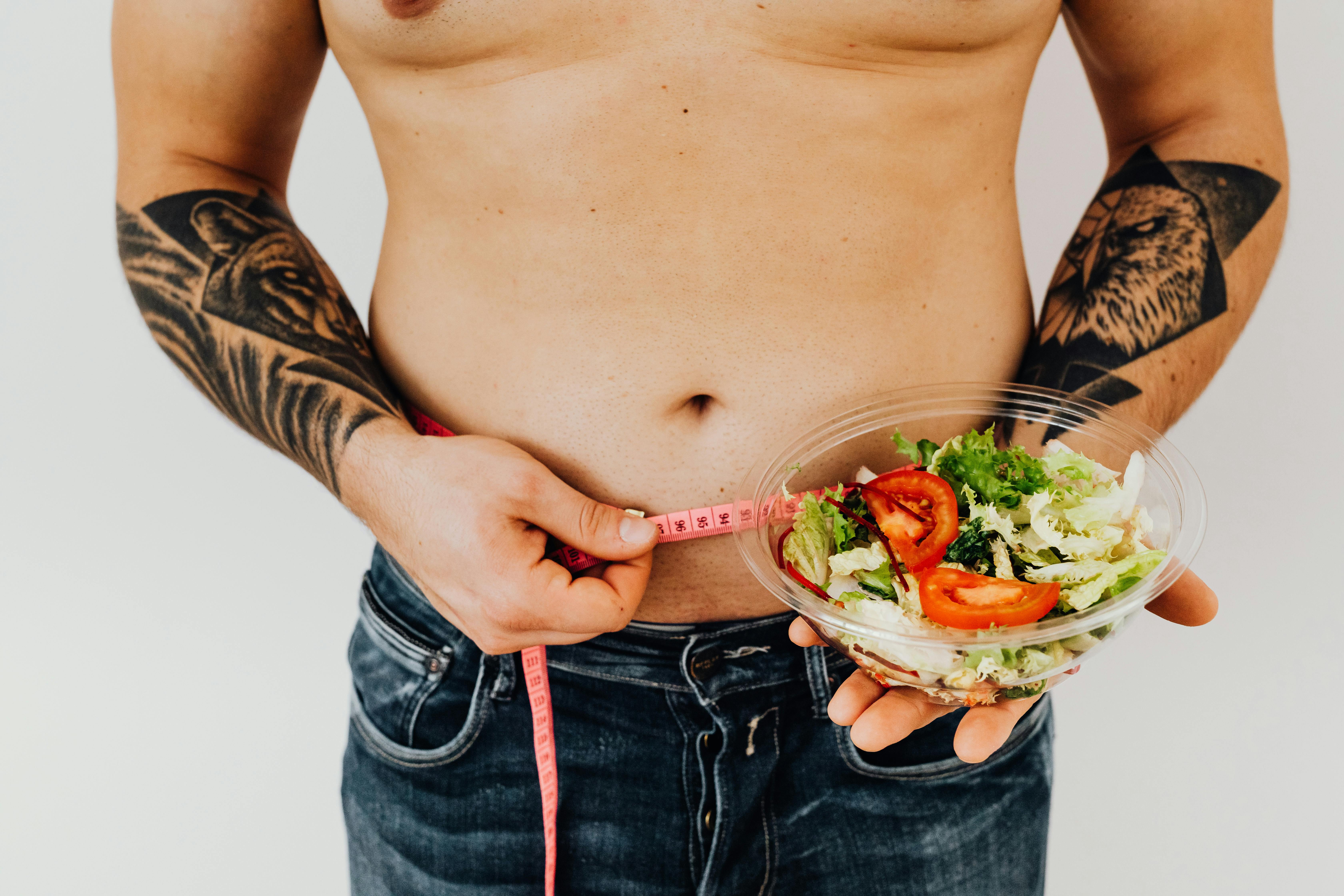
The index reports nothing about where fat sits, which is why waist measurement or waist-to-height ratio is frequently used alongside it.
Those additional measures capture distribution cheaply and add information the index structurally cannot provide.
Thresholds vary between populations
The category boundaries in common use were derived largely from European-descended populations, and the relationship between the index and metabolic risk differs by ancestry.
Several health authorities apply lower thresholds for populations of South Asian descent, because risk appears at lower values than the original boundaries suggest.
The existence of different cut-offs for the same measure demonstrates that the boundaries describe statistical associations rather than a biological threshold.
Why it persists anyway
It requires only scales and a tape measure, can be recorded by anyone, and produces a number comparable across decades and countries, which is genuinely valuable for tracking.
Alternatives that measure composition directly need equipment, cost more and are less reproducible outside controlled conditions.
Its appropriate role is as one input among several in a clinical assessment, which is how it is used in practice and not how it is usually reported.