
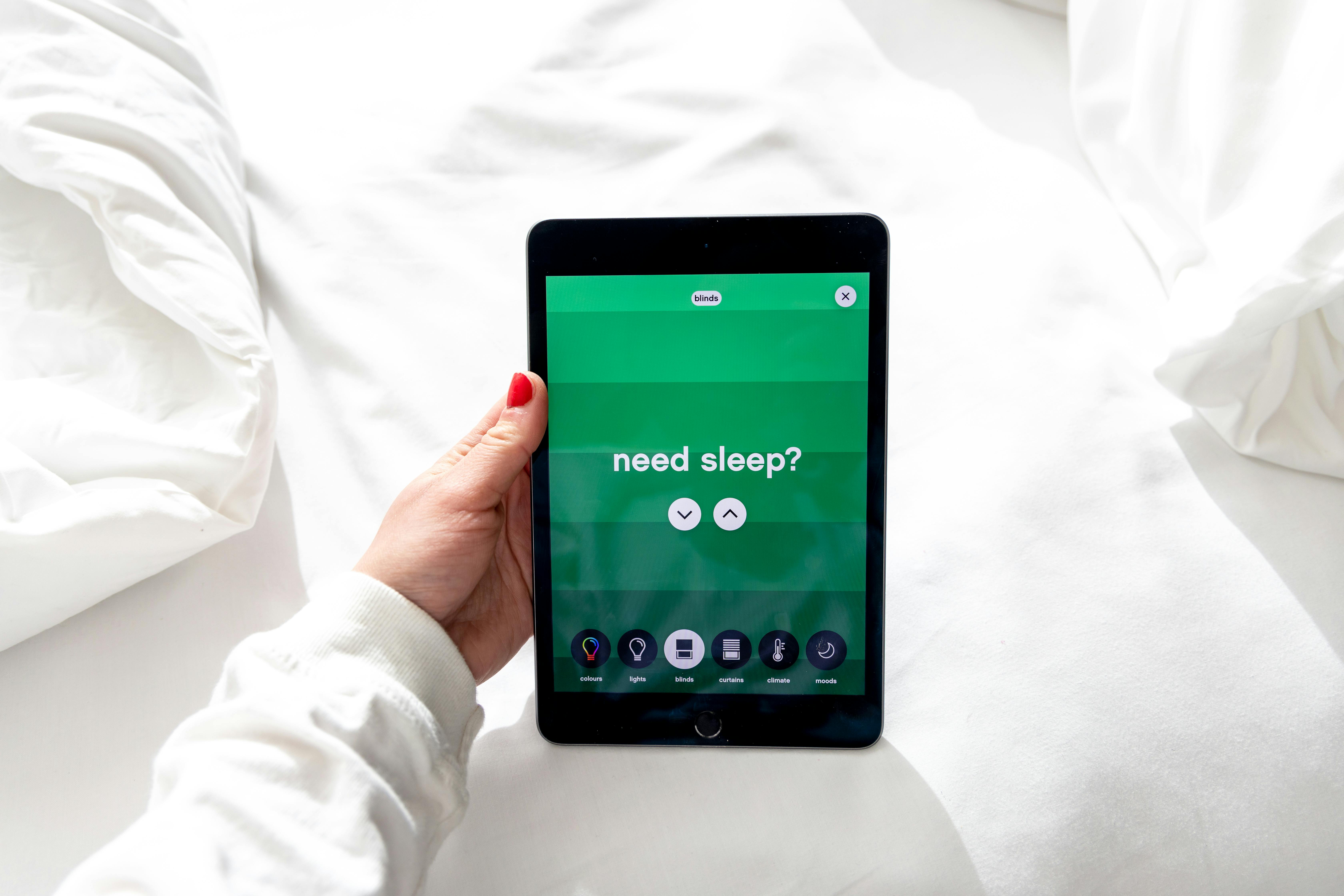
In 2026, AI-driven sleep technology is transforming how we achieve restorative sleep, directly impacting longevity and financial success. Discover smart beds, advanced wearables, and neurofeedback devices offering personalized sleep optimization to enhance cognitive function, boost productivity, and safeguard long-term health. This article compares the leading solutions for maximizing your sleep investment.
Introduction to the Topic
Welcome to 2026, where the pursuit of optimal health and peak performance has transcended generic advice. For years, we’ve understood sleep as a cornerstone of well-being, yet a global sleep crisis has persisted, costing economies billions and dimming individual potential. Insomnia, sleep apnea, and chronic poor sleep aren't just nuisances; they're silent saboteurs of our physical health, cognitive function, and, ultimately, our wealth accumulation. The traditional one-size-fits-all approach to sleep hygiene, while foundational, often falls short in addressing the complex, highly individualized nature of human rest.
But a profound shift is underway. The convergence of artificial intelligence, advanced biometrics, and neurotechnology is ushering in a new era: the AI Sleep Revolution. This isn't just about tracking steps or heart rate; it's about deeply personalized sleep optimization, understanding your unique biological rhythms, genetic predispositions, and lifestyle factors to craft a bespoke pathway to truly restorative sleep. For readers of longevitywealthplan.com, this isn't merely a health trend; it's a strategic investment in your future, a direct pathway to enhanced longevity, sharper decision-making, and sustained financial prowess.
Backgrounds & Facts
The science is unequivocal: quality sleep is a non-negotiable pillar of health. It’s when our brains consolidate memories, clear metabolic waste, and regulate hormones vital for mood, metabolism, and immune function. Chronic sleep deprivation, defined as consistently getting less than 7-9 hours, is linked to an alarming array of health issues including increased risk of cardiovascular disease, diabetes, obesity, dementia, and weakened immunity. Beyond health, the economic toll is staggering; studies in the early 2020s estimated sleep deprivation cost major economies hundreds of billions annually in lost productivity and healthcare expenses. In 2026, with an aging global population and increasing demands on cognitive performance, these costs are only projected to rise.
The core problem with conventional sleep solutions – from strict bedtimes to over-the-counter aids – is their inherent lack of personalization. Each individual possesses a unique chronotype (early bird vs. night owl), genetic makeup influencing sleep architecture, and a distinct daily routine. What works for one person might be detrimental to another. This is where AI steps in. Modern AI algorithms, powered by machine learning and vast datasets, can now analyze unprecedented amounts of personal biometric data – heart rate variability, respiration, body temperature, movement, brainwave patterns – collected from sophisticated wearables and smart home devices. By identifying subtle patterns and correlating them with external factors like diet, exercise, and environmental conditions, AI can generate highly precise, actionable recommendations that adapt in real-time. This level of personalized insight moves us beyond generalized advice, offering a truly adaptive and effective strategy for combating sleep debt and optimizing every minute of rest.
Expert Opinion / Analysis
“We’ve moved past the era of simply measuring sleep duration,” explains Dr. Anya Sharma, a leading neuroscientist specializing in sleep architecture and AI integration. “In 2026, AI isn't just a data aggregator; it’s a predictive coach and an adaptive environment manager. It understands your unique sleep phenotype better than you do, often anticipating issues before they manifest.” Dr. Sharma highlights how AI analyzes micro-awakenings, sleep stage transitions, and even genetic markers (if integrated through personalized health platforms) to fine-tune interventions. “Consider someone with a genetic predisposition to delayed sleep phase syndrome. AI can create a dynamic light therapy schedule, suggest specific dietary adjustments, and even recommend targeted neurofeedback sessions to gently nudge their circadian rhythm into alignment, something a generic app could never achieve.”
The analysis extends beyond individual health. “For our demographic at longevitywealthplan.com, the link between optimized sleep and wealth is undeniable,” states Marcus Thorne, a behavioral economist and consultant for high-net-worth individuals. “Consistently excellent sleep isn't just about feeling good; it directly enhances executive function, reduces impulsive decision-making, improves emotional regulation, and boosts creativity. These are all critical attributes for sustained professional success and astute financial management. Investing in cutting-edge AI sleep technology isn't an expense; it’s a strategic investment in your human capital, yielding significant returns in productivity, healthspan, and overall life satisfaction.” Thorne also points out the preventive aspect: “By identifying early indicators of stress or potential health issues through sleep data, AI allows for proactive intervention, saving potentially millions in future healthcare costs and lost income.” The ethical considerations around data privacy remain paramount, but leading companies are implementing robust encryption and user control features, ensuring that your most personal data is protected while serving your well-being.
💰 Best Options in Comparison (VERY IMPORTANT)
As we navigate the burgeoning market of AI-driven sleep solutions in 2026, the options can seem overwhelming. To help you make the most informed investment in your sleep, longevity, and wealth, we’ve curated and compared some of the leading technologies available today. These options range from comprehensive smart bed systems to advanced wearables and specialized neurofeedback devices, each offering unique benefits for personalized sleep optimization.
-
The 'Zenith Dream AI' Smart Bed System
This is the Rolls-Royce of sleep technology. The Zenith Dream AI is a fully integrated smart bed that dynamically adjusts its firmness, temperature, and even angle throughout the night based on real-time biometric feedback. It uses embedded sensors to track heart rate variability, respiration, movement, and even subtle micro-vibrations indicative of sleep stages. Its AI learns your optimal sleep environment and proactively makes adjustments, reducing tossing and turning, optimizing blood flow, and ensuring deep, uninterrupted rest. It also integrates with smart home systems to control ambient lighting and soundscapes. Ideal for those seeking the ultimate, passive sleep optimization experience.
-
The 'BioSync Aura Ring Pro' (Gen 2026)
Building on the success of its predecessors, the 2026 BioSync Aura Ring Pro is a sleek, non-invasive wearable that packs immense power. It tracks an expanded suite of biometrics including advanced heart rate variability (HRV), skin temperature deviations, blood oxygen saturation (SpO2), and detailed sleep stage analysis with unparalleled accuracy for a wearable. Its AI algorithm provides a daily 'Readiness Score' and highly personalized recommendations for activity, recovery, and sleep timing, integrating seamlessly with your calendar and fitness apps. It's an excellent choice for active individuals and data enthusiasts who want actionable insights without a full bed replacement.
-
The 'CogniRest NeuroSync' Device & App
For those looking to actively train their brains for better sleep, the CogniRest NeuroSync offers a powerful solution. This compact, EEG-based headband provides real-time neurofeedback, guiding you through meditation and relaxation exercises designed to promote delta and theta brainwave activity – crucial for deep sleep. Its AI personalizes the training protocols based on your brain's responses, adapting to your progress. The accompanying app offers AI-driven CBT-I (Cognitive Behavioral Therapy for Insomnia) modules, personalized soundscapes, and biofeedback exercises. It’s a proactive, therapeutic approach to conquering chronic sleep issues.
-
The 'Longevity Sleep Hub' Integrated Ecosystem
This holistic system combines elements of smart lighting, sound therapy, and environmental controls with a sophisticated central AI unit. While not a bed or a wearable itself, the Longevity Sleep Hub integrates data from your existing smart devices (wearables, smart home sensors) to create a perfectly optimized sleep environment. Its AI learns your ideal light exposure cycles, temperature gradients, and sound preferences, automatically adjusting your bedroom to facilitate faster sleep onset and deeper sleep stages. It’s perfect for those who want to leverage their smart home infrastructure for comprehensive sleep enhancement.
| Product/Service | Key Features | Price Range (2026 Est.) | Best For | Longevity Impact | Wealth Impact |
|---|---|---|---|---|---|
| Zenith Dream AI Smart Bed System | Dynamic firmness/temp, respiration, HRV, sleep stage tracking, smart home integration. | $7,000 - $15,000+ | Ultimate passive optimization, luxury seekers, severe sleep disruption. | Profoundly restorative sleep, reduced chronic disease risk, enhanced cellular repair. | Maximized daily energy, reduced healthcare costs, peak cognitive function for decision-making. |
| BioSync Aura Ring Pro | Advanced HRV, SpO2, skin temp, detailed sleep stages, daily 'Readiness Score', personalized recommendations. | $399 - $599 (plus subscription) | Active individuals, data enthusiasts, proactive health management, travel. | Optimized recovery, early detection of illness/stress, improved immune function. | Enhanced focus, sustained productivity, informed training decisions, reduced burnout. |
| CogniRest NeuroSync Device & App | EEG neurofeedback, personalized CBT-I, biofeedback, guided meditation, AI-adapted protocols. | $699 - $1,200 (plus subscription) | Chronic insomnia sufferers, those seeking active brain training, stress reduction. | Improved sleep onset latency, increased deep sleep, reduced anxiety, enhanced brain health. | Greater mental clarity, reduced reliance on sleep aids, long-term cognitive resilience. |
| Longevity Sleep Hub Integrated Ecosystem | AI-managed smart lighting, soundscapes, temperature, integrates with existing smart devices. | $1,500 - $4,000+ (hardware & software) | Smart home users, environmental control enthusiasts, those optimizing their entire living space. | Optimized circadian rhythm, reduced environmental sleep disturbances, enhanced sleep architecture. | Consistent high performance, improved mood, reduced stress from suboptimal environments. |
Outlook & Trends
The future of AI in sleep health is poised for even more revolutionary advancements. By 2030, we can expect AI to move beyond mere optimization to predictive health. Imagine an AI system that, based on your sleep patterns, can alert you to early indicators of an impending cold, a metabolic imbalance, or even a pre-symptomatic neurological condition, allowing for intervention long before symptoms fully manifest. This proactive, preventative health will be a game-changer for longevity.
Further integration with personalized pharmacology is also on the horizon. AI could analyze your genetic profile and real-time sleep data to recommend precise dosages of non-addictive sleep compounds or natural supplements, tailoring treatment down to the molecular level. We’ll also see a rise in 'Sleep as a Service' (SaaS) models, where personalized sleep coaches, powered by AI, offer continuous, adaptive guidance and support, integrating seamlessly into our digital lives. Virtual reality and augmented reality applications will become more sophisticated, offering immersive relaxation environments and even guided lucid dreaming experiences to enhance mental well-being during sleep. The convergence of these technologies promises not just better sleep, but a fundamental redefinition of human health and potential.
Conclusion
In 2026, the message is clear: sleep is no longer a passive necessity but an active, intelligent investment. The AI Sleep Revolution offers unprecedented opportunities to personalize and optimize your rest, transforming it from a mere biological function into a powerful tool for enhancing your longevity and securing your financial future. By leveraging technologies like smart beds, advanced wearables, and neurofeedback devices, you can unlock peak cognitive performance, bolster your physical resilience, and make sharper, more effective decisions in all aspects of life.
Don’t let outdated notions of sleep hold you back. The cost of chronic sleep deprivation—in terms of health, productivity, and missed opportunities—far outweighs the investment in these cutting-edge solutions. Explore the options presented, consider which best aligns with your lifestyle and goals, and take the decisive step towards a future where every night’s sleep is a strategic advantage. Prioritize your sleep, and watch your longevity and wealth flourish.