
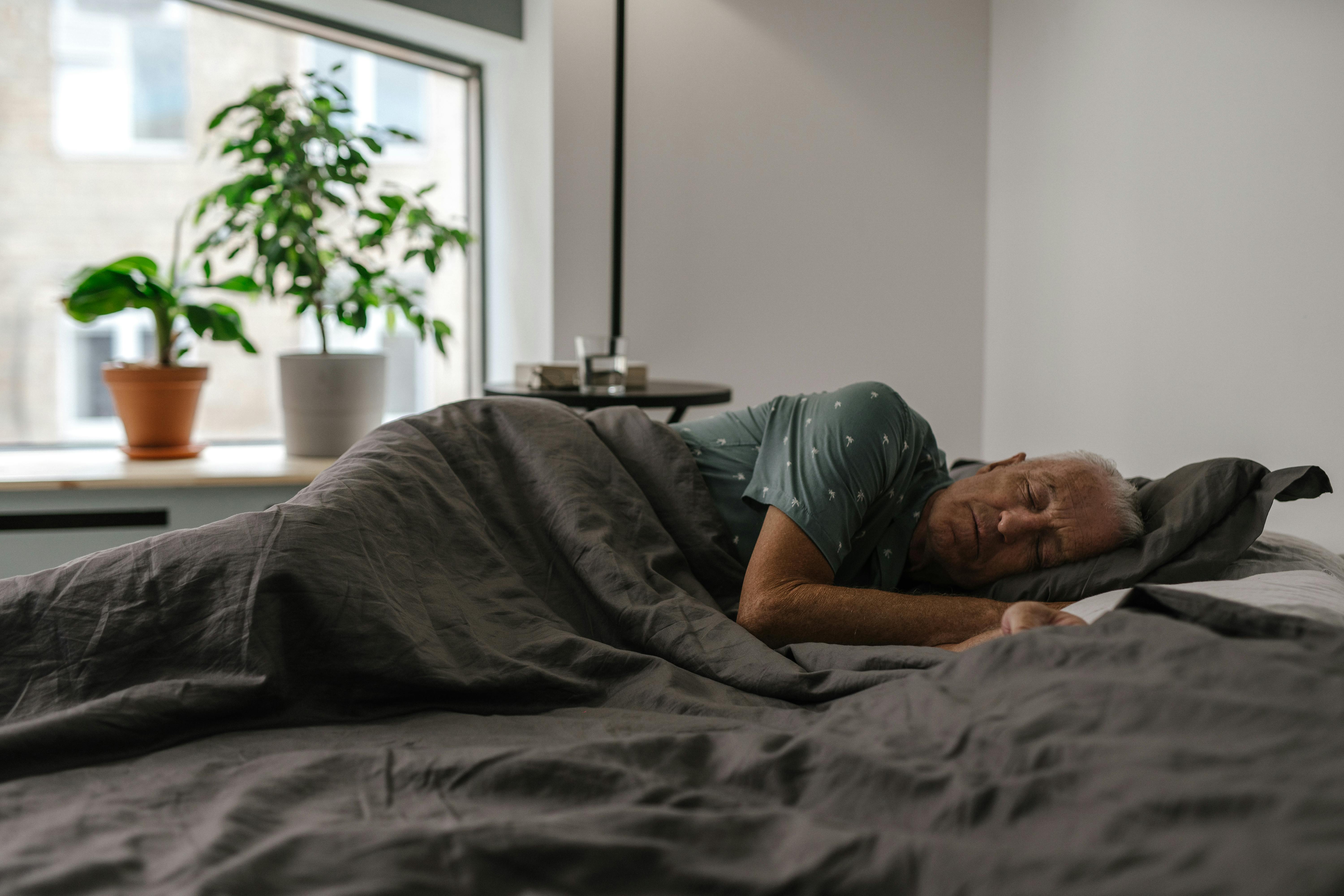
In 2026, personalized sleep technology, powered by advanced AI and biofeedback, is no longer a luxury but a critical investment for optimizing longevity, cognitive function, and financial wealth. Discover how smart beds, AI sleep coaches, and cutting-edge wearables are reshaping sleep health, offering unparalleled insights and tailored interventions to boost your productivity, recovery, and overall well-being.
Introduction to the Topic
Welcome to 2026, where the pursuit of longevity and robust wealth isn't just about smart investments and healthy eating; it's fundamentally intertwined with the quality of your sleep. For too long, sleep has been relegated to a secondary concern, a mere necessity to be squeezed in between work and social obligations. But the paradigm has shifted dramatically. Today, we understand that sleep is not just rest; it is active recovery, cognitive recalibration, emotional regulation, and the very bedrock of long-term health and peak performance. As editors at longevitywealthplan.com, we see sleep health as the ultimate biohack for a richer, longer life. And at the forefront of this revolution? Personalized sleep technology, driven by sophisticated Artificial Intelligence.
No longer are we relying on generic advice like 'get eight hours.' The future of sleep is hyper-personalized, data-driven, and predictive. Imagine a world where your sleep environment adjusts to your unique circadian rhythm, where an AI coach analyzes your nightly biometrics to offer precise, actionable advice, and where your sleep data integrates seamlessly with your overall health and wellness strategy. This isn't science fiction; it's the reality of sleep optimization in 2026, offering unprecedented opportunities to invest in your most valuable asset: yourself.
Backgrounds & Facts
The statistics on sleep deprivation have long been alarming. Millions worldwide suffer from chronic sleep issues, contributing to an estimated economic burden of hundreds of billions annually due to lost productivity, increased healthcare costs, and accidents. Poor sleep has been definitively linked to a litany of health problems including obesity, type 2 diabetes, cardiovascular disease, impaired immune function, and neurodegenerative conditions like Alzheimer's. For those striving for longevity and sustained wealth, these are unacceptable risks.
Traditional approaches to sleep problems often involved broad recommendations or, for severe cases, clinical sleep studies (polysomnography) that were inconvenient and expensive. While valuable, they lacked the continuous, real-time, and personalized feedback needed for proactive sleep optimization. The breakthrough has come with the convergence of advanced sensor technology, big data analytics, and artificial intelligence. Wearable devices, smart mattresses, and connected home ecosystems now collect an unprecedented amount of biometric and environmental data: heart rate variability (HRV), skin temperature, respiratory rate, blood oxygen levels, sleep stages (REM, deep, light), movement patterns, ambient light, noise, and even air quality.
In 2026, AI algorithms process this complex data to identify individual sleep patterns, detect anomalies, predict potential issues, and generate highly customized interventions. This moves us beyond mere tracking to true 'sleep precision medicine,' where recommendations are tailored to your unique physiology, lifestyle, and even genetic predispositions. This shift empowers individuals to take control of their sleep health, transforming it from a passive state into an active, optimized process integral to their longevity and wealth plan.
Expert Opinion / Analysis
“The era of generalized sleep advice is over,” states Dr. Anya Sharma, a leading neuroscientist and founder of the Longevity Sleep Institute. “What we’re seeing in 2026 is a profound evolution. AI isn't just telling you how long you slept; it's interpreting the narrative of your night. It understands your unique circadian rhythm, identifies micro-disturbances in your deep sleep, and even correlates your sleep quality with your daytime cognitive performance and stress levels.”
Dr. Sharma emphasizes that this personalized approach is crucial for optimizing the intricate balance between sleep and overall well-being. “Imagine an AI that learns your specific stress triggers and, on a high-stress day, proactively adjusts your smart bed's temperature, initiates a calming soundscape, or suggests a guided meditation protocol tailored to your brainwave patterns. This level of foresight and customization is revolutionary for improving recovery, enhancing mental clarity, and extending healthspan.”
From a wealth perspective, the return on investment in personalized sleep tech is undeniable. “Chronic poor sleep is a wealth drain,” notes financial wellness expert, Michael Chen. “It reduces productivity, impairs decision-making, and contributes to burnout. Investing in advanced sleep optimization is akin to investing in a high-yield asset for your personal performance and long-term health, directly impacting your earning potential and reducing future healthcare expenditures. It's not just about feeling better; it's about performing better and living longer, wealthier lives.” The integration of sleep data with financial planning apps is even beginning to emerge, offering holistic insights into how well-being impacts financial foresight.
💰 Best Options in Comparison (VERY IMPORTANT)
Navigating the burgeoning market of personalized sleep technology in 2026 can be overwhelming. To help you make informed decisions that align with your longevity and wealth goals, we’ve compared some of the leading options transforming sleep health:
- Eight Sleep Pod 4 Pro: The Smart Bed Ecosystem
This advanced mattress system integrates dynamic temperature regulation, biometric tracking (heart rate, HRV, respiratory rate), and an AI-driven coaching platform. It learns your sleep preferences and adjusts the bed's temperature throughout the night to optimize each sleep stage. The Pod 4 Pro also offers gentle vibratory alarms and integrates with other smart home devices. It’s ideal for those seeking a comprehensive, passive, and highly optimized sleep environment. - Oura Ring Gen 4: The Discreet Wearable Powerhouse
The latest iteration of the Oura Ring offers unparalleled accuracy in a sleek, comfortable form factor. It tracks sleep stages, HRV, body temperature, activity levels, and provides predictive health insights. Its AI algorithms generate daily 'Readiness Scores' and personalized recommendations, helping users understand how lifestyle choices impact their sleep and overall well-being. Excellent for data-driven individuals who want deep insights without a bulky device. - Somnus AI Coach Platinum Subscription: The Behavioral Game-Changer
More than just an app, Somnus AI Coach is a subscription-based platform offering personalized Cognitive Behavioral Therapy for Insomnia (CBT-I) modules, adaptive soundscapes, light therapy integration, and optional live human sleep coaching. Its AI learns your specific sleep challenges and behavioral patterns, generating tailored protocols for overcoming insomnia, reducing stress, and establishing robust sleep hygiene. Perfect for those needing structured guidance and behavioral modification. - NeuroSleep Pro: At-Home Brainwave Optimization
For the biohacker looking to dive deeper, NeuroSleep Pro is an at-home neurofeedback device that uses advanced EEG sensors to monitor brainwave activity. It offers guided meditation and entrainment protocols designed to enhance deep sleep, improve focus, and reduce anxiety. The device provides real-time feedback, allowing users to train their brains for optimal sleep states. A more active approach for advanced users seeking direct neural optimization.
To further assist your decision, here’s a comparative table of these leading solutions:
| Product/Service | Type | Key Features | Personalization Level | Estimated 2026 Price | Longevity Impact |
|---|---|---|---|---|---|
| Eight Sleep Pod 4 Pro | Smart Bed System | Dynamic temperature, biometric tracking, AI coaching, smart alarm, app control | High (AI-driven micro-adjustments to environment) | $4,000 - $6,000 (plus subscription) | Core sleep environment optimization, recovery, reduced inflammation |
| Oura Ring Gen 4 | Wearable Tracker | Advanced HRV, sleep stages, body temp, activity, predictive health, readiness scores | High (AI insights, personalized recommendations) | $350 - $450 (plus subscription) | Holistic health monitoring, early detection of illness/stress, recovery insights |
| Somnus AI Coach Platinum | AI Sleep App/Platform | Personalized CBT-I modules, soundscapes, light therapy integration, live coach option | Very High (adaptive learning, human support for behavioral change) | $50 - $150/month | Behavioral change, insomnia management, stress reduction, cognitive improvement |
| NeuroSleep Pro | At-Home Neurofeedback Device | Brainwave entrainment, real-time feedback, guided meditation, custom protocols | Medium (user-driven, protocol-based brain training) | $800 - $1,500 | Deep sleep enhancement, mental clarity, anxiety reduction, focus improvement |
Outlook & Trends
The future of sleep health in 2026 and beyond promises even more profound advancements. We anticipate greater seamless integration across all health platforms – your sleep data will not only inform your personalized AI sleep coach but also your nutritionist, fitness trainer, and even your primary care physician. Predictive analytics will become so sophisticated that your devices could alert you to impending health issues days or even weeks before symptoms manifest, purely based on subtle shifts in your sleep biometrics.
Expect to see the rise of more sophisticated neuro-modulation techniques, moving from at-home neurofeedback to potentially non-invasive brain stimulation devices designed to actively enhance specific sleep stages. Genetic sequencing will play an increasing role, allowing for sleep recommendations tailored to your unique genetic predispositions for caffeine sensitivity, melatonin production, or chronotype. Furthermore, the ethical considerations around data privacy and security will become paramount, driving innovation in secure, anonymized health data management.
Corporate wellness programs are increasingly recognizing the link between employee sleep and productivity, leading to more widespread adoption of sleep tech benefits. Insurers are also beginning to offer incentives for proactive sleep optimization, recognizing its preventative impact on long-term health costs. The overall trend points towards sleep health becoming a fully integrated, continuously optimized pillar of personal longevity and financial success.
Conclusion
In 2026, sleep is no longer a passive activity but an active investment in your future. The convergence of AI, advanced biometrics, and personalized interventions has transformed sleep health into a powerful tool for enhancing longevity, boosting cognitive function, and securing your financial wealth. From smart beds that intuitively optimize your environment to wearables that offer deep physiological insights and AI coaches that guide your behavioral changes, the options for personalized sleep optimization are more robust than ever.
For the discerning individual committed to maximizing their healthspan and wealthspan, ignoring the personalized sleep revolution is no longer an option. It's time to move beyond generic advice and embrace the data-driven future of sleep. Explore the innovative solutions available, invest wisely in your sleep health, and unlock a life of sustained vitality, clarity, and prosperity. Your future self – and your financial portfolio – will thank you.