
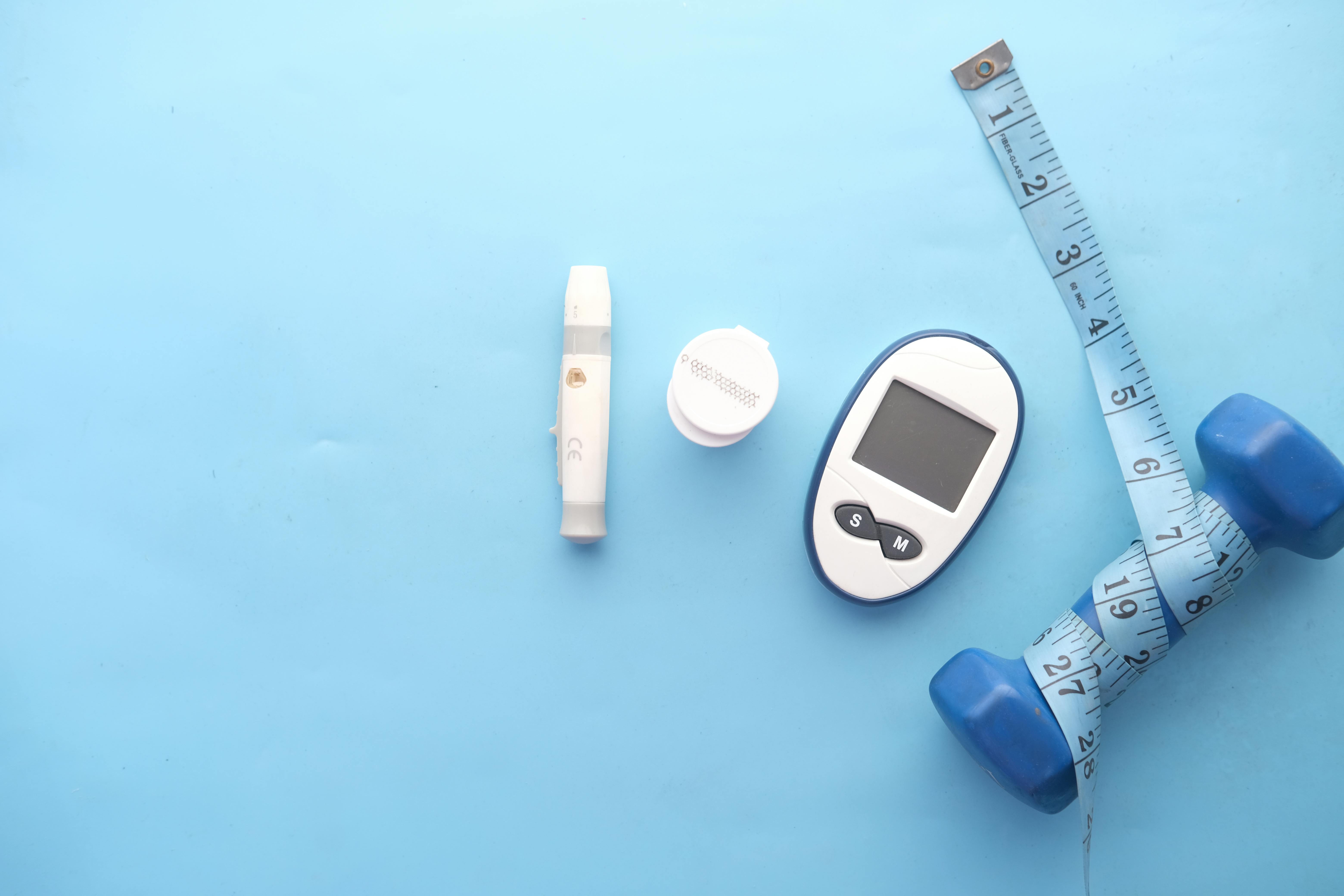
In 2026, GLP-1 agonists like Ozempic, Wegovy, and Zepbound are no longer just weight loss drugs; they are cornerstones of longevity and metabolic health. This article dives into the evolving landscape of these transformative medications, comparing the best options, access pathways, and how investing in your health now can secure your financial future. Discover how to navigate the GLP-1 market for optimal health and wealth.
Introduction to the Topic
Welcome to 2026, where the pursuit of longevity and robust health has converged with cutting-edge medical science. The conversation around weight management has fundamentally shifted, spearheaded by a class of medications known as GLP-1 receptor agonists. What began as a breakthrough for diabetes management has blossomed into a full-fledged revolution in weight loss and metabolic health, promising not just a leaner physique but a longer, healthier, and ultimately wealthier life. For the discerning reader of longevitywealthplan.com, understanding this landscape isn't just about shedding pounds; it's about making informed investments in your most valuable asset: your health.
The market is burgeoning with new formulations, oral options, and combination therapies, making the choice more complex yet more personalized than ever before. This article cuts through the noise, offering a comprehensive guide to GLP-1 agonists in 2026. We’ll explore their profound impact, delve into expert insights, and crucially, compare the leading options and access routes so you can make decisions that align with your health goals and financial foresight.
Backgrounds & Facts
GLP-1 (Glucagon-Like Peptide-1) receptor agonists mimic a natural hormone that targets multiple pathways involved in appetite regulation and blood sugar control. By activating GLP-1 receptors, these drugs slow gastric emptying, increase feelings of fullness, and reduce food intake. They also stimulate insulin release in a glucose-dependent manner and suppress glucagon secretion, leading to improved blood sugar control. While initially developed for Type 2 Diabetes, their remarkable efficacy in promoting significant and sustained weight loss quickly propelled them into the spotlight for obesity treatment.
In 2026, the data is unequivocal: chronic obesity is a major driver of preventable diseases, including cardiovascular disease, stroke, certain cancers, sleep apnea, and Type 2 Diabetes. The financial burden on individuals and healthcare systems is astronomical, with obesity-related medical care costing hundreds of billions annually. GLP-1 agonists offer a powerful intervention, demonstrating average weight loss percentages ranging from 15% to over 20% of body weight in clinical trials, depending on the specific drug and dosage. But their benefits extend far beyond the scale; studies continue to reveal significant reductions in cardiovascular events, improvements in liver health, and even potential positive impacts on kidney function and neuroprotection. This comprehensive metabolic improvement translates directly into enhanced longevity and a reduced lifetime risk of costly chronic illnesses, safeguarding your health and your wealth.
Expert Opinion / Analysis
“The GLP-1 class represents a paradigm shift in how we approach chronic weight management and metabolic health,” states Dr. Anya Sharma, a leading endocrinologist specializing in longevity medicine. “For decades, effective pharmacotherapy was elusive. Now, with GLP-1s, we have tools that not only facilitate substantial weight loss but also address the underlying pathophysiology of obesity and its comorbidities. This isn't just about aesthetics; it's about disease prevention and extending healthspan.”
However, experts caution that GLP-1s are not a magic bullet. “These medications are powerful tools, but they work best as part of a comprehensive lifestyle strategy,” advises Maria Rodriguez, a registered dietitian and behavioral health specialist. “Nutrition, physical activity, adequate sleep, and stress management remain critical. Patients who integrate these pillars alongside their medication tend to achieve superior, more sustainable results and often experience fewer side effects.”
The financial implications are also a key consideration. “Think of effective weight management through GLP-1s as a long-term investment,” explains David Chen, a financial planner focusing on health wealth. “The upfront cost, while significant for some, can be dwarfed by the avoided medical expenses, lost productivity, and diminished quality of life associated with untreated obesity and its related conditions. It’s an investment in your future earning potential and overall well-being.”
Concerns around muscle loss, common with rapid weight loss, are also being addressed. Newer GLP-1 formulations and combination therapies are exploring ways to preserve lean muscle mass, and the emphasis on resistance training alongside medication is stronger than ever. The future of personalized medicine, leveraging genetic insights and advanced diagnostics, will further refine who benefits most from these therapies, optimizing outcomes and minimizing risks.
💰 Best Options in Comparison (VERY IMPORTANT)
In 2026, the GLP-1 landscape offers a diverse array of choices, each with unique characteristics. Understanding these differences is crucial for making an informed decision that aligns with your health goals, lifestyle, and budget. Here’s a comparison of the leading medications and popular access pathways:
- Semaglutide (Wegovy/Ozempic): A foundational GLP-1, available in injectable form. Known for consistent, significant weight loss and established cardiovascular benefits. Often the first choice for many due to its long track record.
- Tirzepatide (Zepbound/Mounjaro): A 'twincretin' GLP-1/GIP receptor agonist, offering even greater weight loss efficacy than semaglutide in many individuals. Also injectable, it has shown impressive results in both weight reduction and glycemic control.
- Retatrutide (Expected 2026+): An anticipated 'tri-agonist' targeting GLP-1, GIP, and glucagon receptors. Early trials suggest it could set a new benchmark for weight loss efficacy, potentially exceeding 25% of body weight.
- Oral GLP-1 Agonists (e.g., Orforglipron, Oral Semaglutide): For those averse to injections, oral options are gaining traction. While some may have slightly lower efficacy or different side effect profiles than injectables, their convenience makes them highly appealing for long-term adherence.
- Telehealth Weight Management Platforms: Digital clinics offer convenient access to prescribers, nutritionists, and coaches. Often include subscription models that bundle medication access (if appropriate) with lifestyle support. Examples include LongevityRx Digital Clinic, Found Health, and others.
- Concierge Longevity Programs: High-touch, personalized services that integrate GLP-1 prescriptions with advanced diagnostics (genomic testing, continuous glucose monitoring), bespoke nutrition plans, fitness coaching, and preventative health strategies. These often come with a premium price but offer unparalleled customization and support.
Below is a comparative table to help you navigate your options:
| Drug/Service | Active Ingredient | Administration | Avg. Monthly Cost (2026 Est.) | Efficacy (Avg. % Weight Loss) | Key Benefits | Considerations/Side Effects | Best For |
|---|---|---|---|---|---|---|---|
| Wegovy / Ozempic | Semaglutide | Once-weekly injection | $1,000 - $1,500 (cash price) | 15-17% | Established efficacy, cardiovascular benefits, widely available. | Nausea, vomiting, diarrhea, constipation. Injectable. | Individuals seeking proven efficacy with a strong safety profile. |
| Zepbound / Mounjaro | Tirzepatide | Once-weekly injection | $1,100 - $1,700 (cash price) | 20-22% | Higher weight loss efficacy, strong glycemic control. | Similar GI side effects, potentially more pronounced. Injectable. | Those needing greater weight loss or with poorly controlled diabetes. |
| Retatrutide (New Gen) | Triple Agonist (GLP-1, GIP, Glucagon) | Once-weekly injection | $1,300 - $2,000 (anticipated) | 25%+ (anticipated) | Potentially highest efficacy, broad metabolic benefits. | Newer drug, long-term data evolving. Similar GI side effects. | Early adopters seeking maximum weight loss, under medical supervision. |
| Oral GLP-1 (e.g., Orforglipron) | Non-peptide GLP-1 Agonist | Daily pill | $900 - $1,400 (anticipated) | 10-15% (variable by drug) | Convenience of oral administration, no injections. | Daily adherence required. May have different absorption considerations. | Individuals seeking non-injectable options, prioritizing convenience. |
| Telehealth Platforms (e.g., LongevityRx Digital Clinic) | Varies (prescription based) | Virtual consultations + medication delivery | $100 - $300 (monthly subscription + medication cost) | Varies (depends on prescribed drug) | Convenient, integrated support, accessible from home. | Requires self-discipline, less hands-on than in-person. | Busy professionals, those in rural areas, seeking integrated digital care. |
| Concierge Longevity Programs | Personalized (prescription based) | In-person/virtual, high-touch support | $5,000 - $20,000+ (annual fee + medication cost) | Optimized for individual | Holistic, highly personalized care, advanced diagnostics, maximum support. | Significant financial investment. | High-net-worth individuals prioritizing bespoke longevity solutions. |
Outlook & Trends
The future of GLP-1 agonists is dynamic and promising. By 2026, we anticipate several key trends: firstly, the approval and widespread adoption of next-generation drugs like Retatrutide and more potent oral formulations, offering even greater efficacy and convenience. Secondly, combination therapies will become more common, potentially pairing GLP-1s with other agents to address specific metabolic pathways, enhance muscle preservation during weight loss, or mitigate side effects. Imagine a daily pill that not only aids weight loss but also actively builds lean mass!
Thirdly, personalized medicine will become paramount. Advanced diagnostics, including pharmacogenomics, will help clinicians identify which GLP-1 or combination therapy is most effective for an individual based on their genetic makeup and biomarkers, minimizing trial-and-error. AI-driven platforms will integrate data from wearables, continuous glucose monitors, and genetic profiles to offer hyper-personalized diet, exercise, and medication adjustments in real-time.
Finally, expect continued evolution in access and affordability. Insurance coverage for GLP-1s, especially for weight management, is expanding, but cost remains a barrier for many. Innovative subscription models, employer wellness programs, and potentially government subsidies will aim to broaden access, recognizing the societal and economic benefits of preventing obesity-related diseases. The conversation will increasingly shift from simply 'weight loss' to 'metabolic health optimization' and 'longevity medicine,' cementing GLP-1s as a cornerstone of future health strategies.
Conclusion
The GLP-1 revolution is fundamentally transforming our approach to weight management, metabolic health, and ultimately, longevity. In 2026, these medications are not just tools for shedding pounds; they are powerful investments in a longer, healthier, and more financially secure future. By understanding the diverse options available, from cutting-edge injectables to convenient oral forms and comprehensive telehealth or concierge programs, you can make informed decisions that align with your personal health goals and financial planning.
As with any significant medical intervention, careful consideration and consultation with qualified healthcare professionals are paramount. This journey is about more than just a number on the scale; it's about optimizing your healthspan, mitigating future medical costs, and empowering yourself to live a vibrant, fulfilling life. Invest wisely in your health today, and secure your wealth and well-being for decades to come.